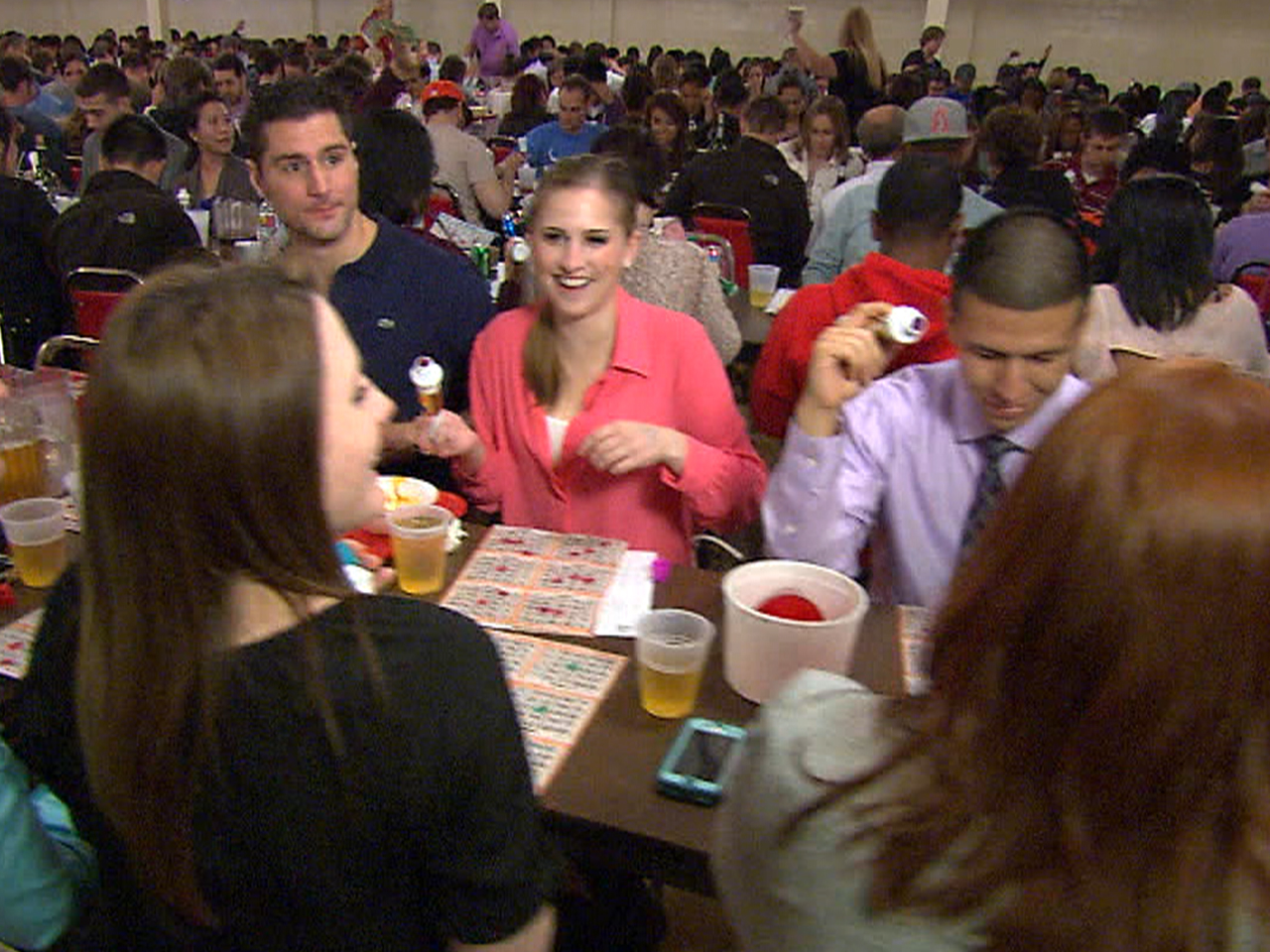
For decades, the appeal of traditional bingo lived in the sensory and social hum of the hall: the clatter of plastic balls tumbling in a wire cage, the familiar cadence of the caller’s voice, the smell of fresh coffee, and the collective intake of breath when several players were waiting on a single number. When the game first transitioned to the web in the early 2000s, much of that atmosphere vanished. Early digital adaptations were sterile affairs—flat, two-dimensional grids where an automated script daubed squares on an uninspired graphic background. It was functional, but it lacked a soul.
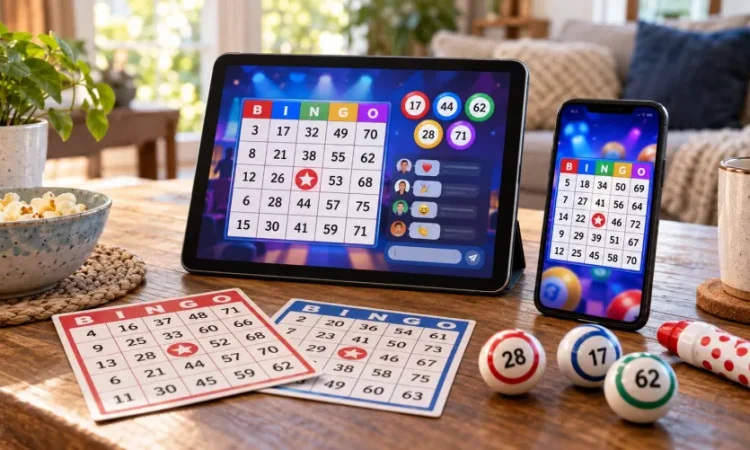
Today, online bingo has broken free from that static legacy. Software developers and operators have realized that bingo was never just an exercise in probability; it is an inherently social ritual driven by suspense, camaraderie, and shared anticipation. By blending high-definition live streaming, sensory-rich interface design, intelligent community architecture, and gamified progression systems, modern platforms are building digital spaces that rival the vitality of physical halls while introducing forms of engagement that brick-and-mortar venues could never offer.
Live Studio Broadcasting and the Resurgence of the Host
The single biggest leap forward in digital bingo immersion has been the adoption of live-hosted game formats. Rather than relying entirely on algorithmic random number generators running quietly behind a digital graphic, modern platforms increasingly operate around live production studios equipped with multiple camera angles, reactive lighting, and charismatic, real-time presenters.
The Power of Real-Time Presenters
A great host transforms a routine draw into a shared event. These presenters do not merely recite numbers; they bridge the gap between the studio and thousands of living rooms. They congratulate winners by username, react spontaneously to nail-biting finishes, and tell stories between rounds.
Because modern low-latency streaming allows presenters to view player chat feeds with virtually zero delay, hosts can banter with regular participants, answer questions, and run impromptu verbal trivia games during breaks. This conversational back-and-forth injects genuine human warmth into what used to be a cold, software-driven transaction. Players no longer feel as though they are interacting with an isolated algorithm; they feel like part of a live audience participating in a broadcast game show.
Re-Engineering Community Spaces for Organic Connection
In brick-and-mortar bingo, the social network is spontaneous. Friends save seats for each other, share lucky charms, and catch up on local news between sessions. Translating that feeling into a digital product requires far more than pasting a generic chat sidebar next to the game window.
Platforms now structure their communities through active chat moderation and social entertainment. Dedicated chat managers do not simply enforce etiquette; they function like event coordinators. They organize side games, quiz rooms, and community challenges that run parallel to the main draw, ensuring that players whose cards may have missed early numbers remain fully invested in the conversation.
Furthermore, developers have introduced shared community objectives. Many modern rooms incorporate syndicate play and collective jackpots, where an entire room splits a secondary prize pool when a specific rare pattern is completed. Instead of fostering cutthroat competition, this mechanic encourages everyone in the room to pull for each other. When a player hits a milestone, visual celebration cues and custom reaction animations ripple across the screens of everyone present, sparking a genuine collective cheer.
Multi-Sensory Design: Tactile Feedback and Dynamic Soundscapes
Immersion is fundamentally sensory. If a digital interaction feels weightless and flat, the brain registers it as background noise. To counter this, game studios have invested heavily in micro-interactions, subtle haptic responses, and dynamic sound engineering.
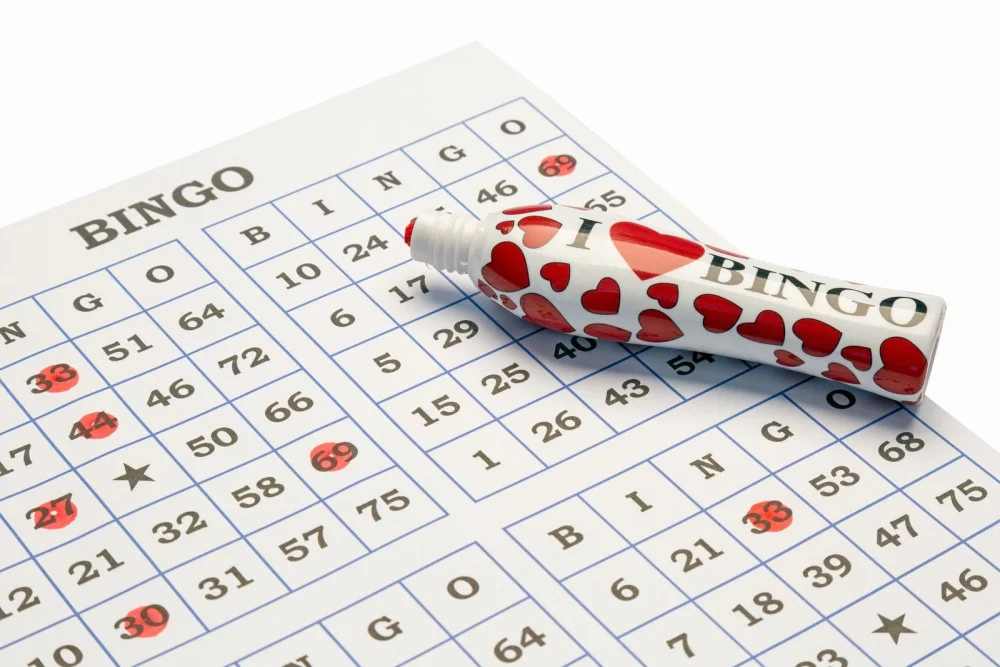
On mobile devices, developers have paid obsessive attention to the tactile sensation of marking a card. While automatic daubing remains a convenient feature for players managing dozens of tickets at once, many rooms now offer enhanced manual or hybrid daubing options. Tapping a called number can trigger nuanced haptic pulses—tiny, calibrated vibrations that mimic the physical resistance and satisfying thump of a heavy felt-tip dauber striking paper.
Audio design has evolved along a similar trajectory. Gone are the days of repetitive MIDI chimes. Modern titles use layered acoustic soundscapes with spatial audio cues that heighten dramatic tension. When a player reaches “one-to-go” status, meaning they are a single digit away from a full house, the sonic environment changes:
-
The ambient room noise softens subtly to focus player attention.
-
The tempo of the backing track quickens with a low, rhythmic heartbeat.
-
Audio cues for subsequent numbers become sharper and more pronounced.
These sensory adjustments tap directly into the physiological excitement of the chase, drawing the player deeper into the moment without requiring them to decipher complicated rules.
Gamification and the Depth of Persistent Progression
Classic bingo operates in short, self-contained loops: buy tickets, wait for the call, mark the card, and reset. To create lasting immersion that spans multiple sessions, modern operators incorporate structural mechanics borrowed from contemporary video games and role-playing adventures.
Custom Avatars and Cosmetic Identity
Players in contemporary bingo ecosystems are no longer anonymous usernames scrolling past in a chat feed. They create and customize virtual avatars, selecting unique styles, expressive emotes, and bespoke digital daubers. These aesthetic items are often tied to persistent leveling systems; the more a player participates, the more unique seasonal items, room badges, and table themes they unlock. This layer of visual self-expression fosters a strong sense of personal identity and standing within the platform’s community.
Hybrid Formats and Mini-Game Integration
Downtime can break immersion. To keep players engaged during the interval between ticket sales and the first ball drop, modern software embeds hybrid formats like Slingo—a creative mashup of classic bingo grids and slot-style reel spins—directly within the game ecosystem. Players can also participate in narrative-driven daily quests, such as collecting specific patterns across different themed rooms to unlock access to VIP weekend events. By providing multi-layered objectives that extend beyond any individual round, platforms transform casual drop-in sessions into an evolving, rewarding hobby.
The Next Dimension: Spatial Presence and Virtual Environments
The horizon of digital bingo is moving steadily toward spatial computing and virtual environments. While fully equipped virtual reality headsets remain an emerging medium, early iterations of three-dimensional bingo rooms are already demonstrating what is possible. In these spaces, participants can sit at virtual tables alongside friends from around the world, look toward the caller’s stage, and manipulate their cards using intuitive spatial hand gestures.
Even on standard desktop and mobile screens, three-dimensional spatial design is becoming standard. Dynamic camera pans, cinematic cutaways to lucky ball drops, and responsive 3D card layouts make the screen feel like a window into an active venue rather than a flat digital dashboard.
By treating the game as a comprehensive sensory and social gathering rather than a simple numbers draw, online bingo operators have unlocked a new tier of entertainment. Modern platforms respect the history and communal core of the pastime while using technology to give players exactly what they have always looked for: great company, pulse-pounding anticipation, and the thrill of the call.