Bingo is much more than just a game; it’s a cultural phenomenon that has spanned centuries and traversed continents. Its roots lie deep within history, evolving from a simple lottery-like pastime in Renaissance Italy to a staple social activity found in community centers, churches, and casinos worldwide today. Characterized by the joyous shout of “Bingo!”, the game continues to unite people of all ages in the spirit of fun, competition, and anticipation. This article explores the history, evolution, and unique appeal of bingo—celebrating why it remains beloved across generations.
Origins of Bingo: From Italian Lotteries to European Salons
Bingo’s narrative begins nearly 500 years ago with the Italian game Il Gioco del Lotto d’Italia, first played around the 16th century. Unlike the fast-paced games familiar today, it resembled a lottery where players marked off numbers on cards as they were drawn randomly—a humble beginning that laid the foundation for modern bingo.
By the 18th century, the game had crossed into France, known as Le Lotto, a more structured game played among aristocrats and commoners alike. France introduced a card format similar to today’s bingo cards, with a grid of numbers arranged across rows and columns, and draws determined from numbered tokens or wood pieces.
The Game’s Educational and Social Roles in Europe
In the 19th century, Germany adopted a version of bingo-like games in classrooms to sharpen children’s number recognition, logic, and spelling skills. This educational use exemplifies bingo’s versatility beyond entertainment.
Beyond academics, bingo functioned as a social glue, bringing communities together. It was played at fairs, cafés, and social gatherings, providing both amusement and subtle educational benefits.
Bingo’s Arrival and Transformation in America
The modern iteration of bingo took flight in the early 20th century United States. Traveling carnivals and fairs introduced a game called “Beano,” named for the dried beans players used to mark their cards.
In 1929, toy salesman Edwin S. Lowe encountered Beano at a carnival near Atlanta and recognized its potential. He refined the rules, manufactured bingo sets, and began popularizing the game across the country. Legend holds that an excited player mistakenly shouted “Bingo!” rather than “Beano,” forever cementing the game’s iconic name.
Lowe capitalized on this success, creating standardized sets and rules, which helped bingo rapidly gain traction across America, transitioning from carnival novelty to national pastime.
The Golden Age of Bingo and Community Impact
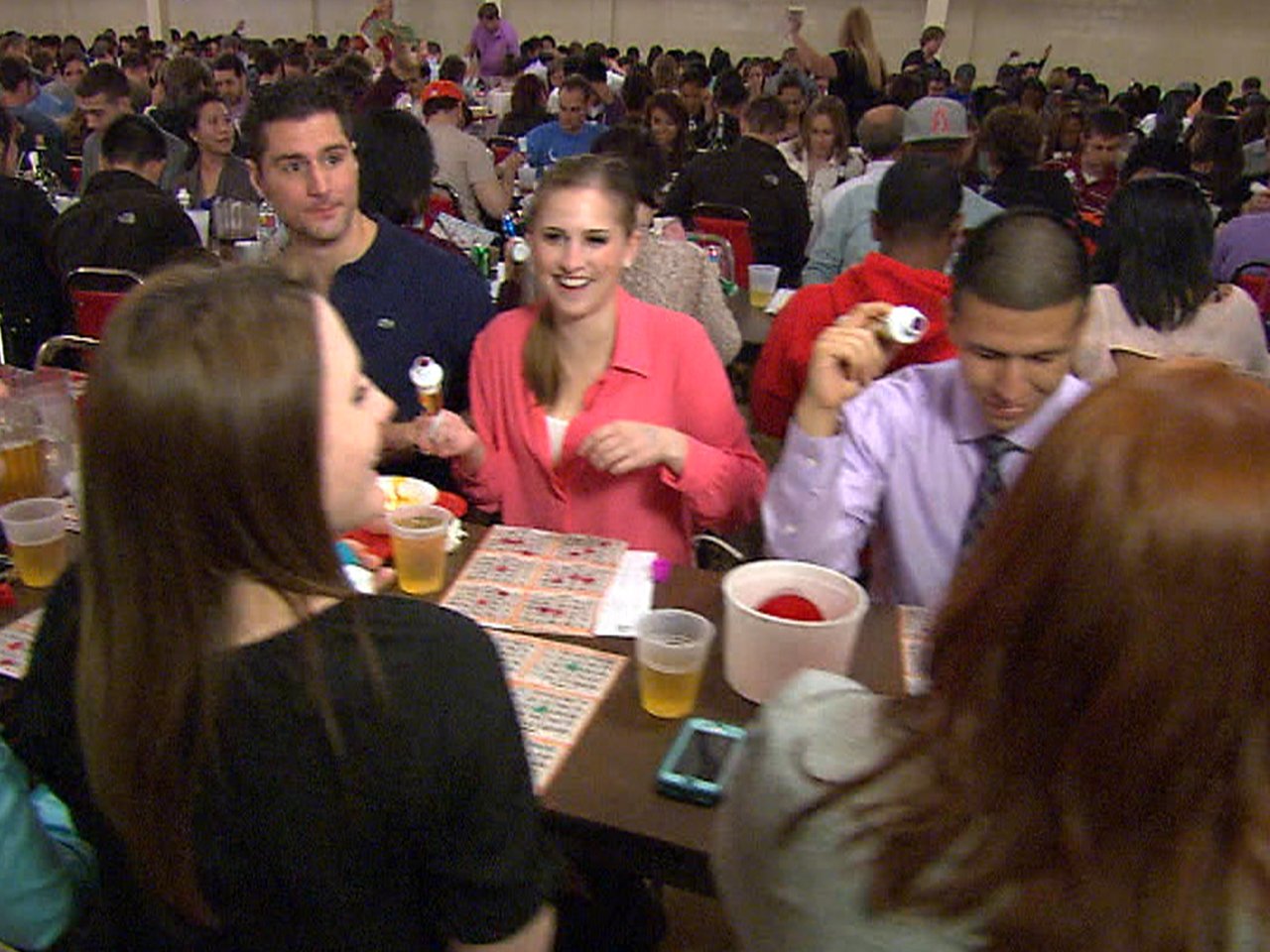
Post-World War II, bingo surged in popularity as a fundraising vehicle for churches, schools, and charities. Large bingo halls appeared throughout towns and cities, becoming social hubs where people met to relax, compete, and support good causes.
Bingo’s multiple formats, fair odds, and affordability enabled broad participation regardless of age or background. Its role as both entertainment and fundraiser solidified during this era, embedding the game deeply in local cultures.
The Mechanics of Modern Bingo: Simple Yet Electrifying
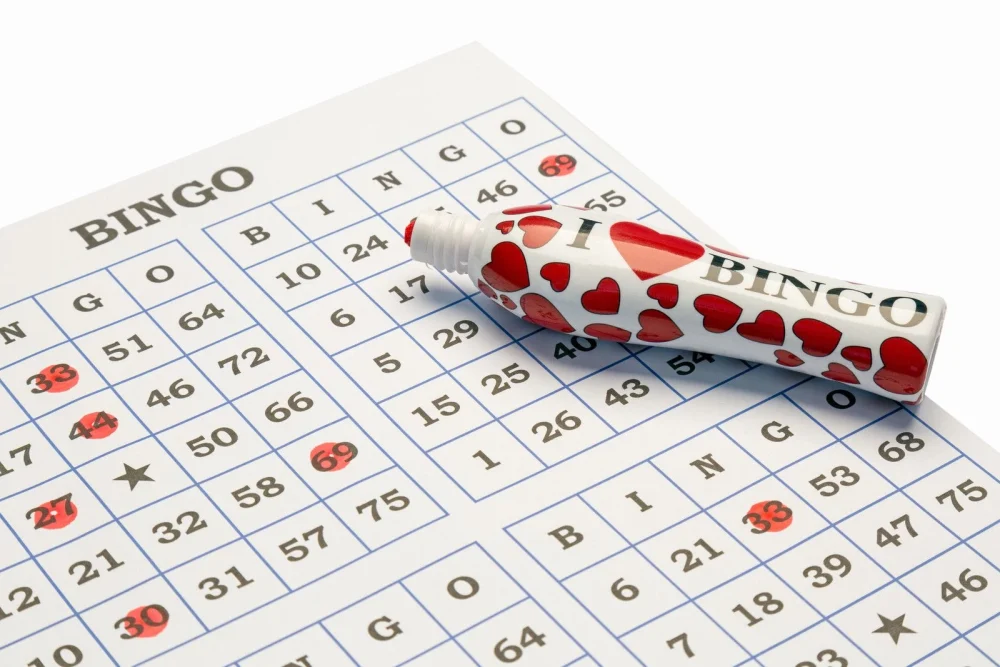
Traditional bingo employs a card divided into a grid—often the popular 5×5 layout with numbers arranged beneath the letters B-I-N-G-O. Numbers are drawn randomly and called aloud, while players mark matching spots on their cards.
Winning can require completing a:
-
Single row (horizontal, vertical, diagonal)
-
Multiple lines
-
Full blackout (marking every number on the card)
Players experience rising tension as they near a winning pattern, culminating in the triumphant call of “Bingo!” which signals victory following verification.
Digital Transformation: From Bingo Halls to Online Platforms
With technological advancements, bingo has embraced the digital arena:
-
Online bingo replicates the traditional experience with added interactivity and global player pools.
-
Software innovations enable themed rooms, chat features, and real-time competitions.
-
Mobile apps allow instant access to games anytime, anywhere, blending convenience with community.
This evolution sustains bingo’s relevance and appeal in a rapidly changing leisure landscape.
Why Bingo’s Appeal Is Enduring
-
Social connection: The shared excitement and community aspects are as vital as the game itself.
-
Accessibility: Simple rules and low stakes welcome all skill levels and ages.
-
Variety: Multiple formats and winning patterns cater to diverse preferences.
-
Positive impact: Fundraising and charity contributions add meaningful purpose to play.
-
Hope and celebration: The suspense and joy of winning create memorable moments.
Responsible Play and Enjoyment
Bingo encourages fun and engagement, and healthy habits enhance enjoyment:
-
Set budgets and time limits.
-
Participate for entertainment, not as financial investment.
-
Use tools for self-regulation offered by many bingo platforms.
-
Respect others and the social spirit of the game.
Conclusion: Bingo’s Enduring Legacy of Joy and Hope
Bingo’s journey from 16th-century Italian lotteries to modern online platforms reflects a remarkable legacy of chance, connection, and celebration. Its power lies in simplicity combined with community spirit—a game where fortunes can be won, friendships forged, and lively memories shared.
As it adapts to new technologies and tastes, bingo continues to charm players worldwide, a timeless tradition inviting all to experience the thrilling joy of chance and the unmistakable call of “Bingo!”