Bingo, with its simple yet captivating gameplay and vibrant communal spirit, stands as one of the most cherished games across generations and cultures. From its origins centuries ago as a lottery-based pastime to its current status as a global entertainment phenomenon—played in bustling halls, local community centers, and increasingly on digital platforms—bingo’s evolution reflects a rich tapestry of social engagement, innovation, and timeless fun. This article explores the history, development, and enduring charm of bingo, offering insight into why it continues to hold a special place in the hearts of players worldwide.
The Origins: Italy’s Lo Giuoco del Lotto D’Italia and Early Evolution
Bingo’s earliest ancestors sprout from the 16th century in Italy, where a lottery game called “Lo Giuoco del Lotto D’Italia” emerged as a popular Saturday pastime. Participants marked numbers on cards as digits were drawn, akin to a primitive lottery system, signaling the foundation of modern bingo mechanics.
The game swiftly crossed European borders: by the 18th century, the French aristocracy embraced a variation called “Le Lotto.” Played at social gatherings, Le Lotto featured cards arranged into grids and the calling of numbers, much like its Italian predecessor. This version served as a popular pastime among nobles and commoners alike, marking a transition from pure lottery to a more social, interactive game.
Educational and Social Expansions in Europe
In 19th century Germany, bingo-like games were adopted as educational tools, helping children enhance number recognition, spelling, and logical thinking. This layer of educational use underscored bingo’s versatility beyond pure entertainment.
Meanwhile, bingo also grew as a social institution. Gathering communities around the game promoted camaraderie, especially in local halls and fairs where it became intertwined with socializing and fundraising.
Crossing the Atlantic: Bingo in America
Bingo arrived in the United States in the early 20th century, initially featured in fairs and carnivals. It was known as “Beano”, named after the dried beans used to cover called numbers on cards. A pivotal moment occurred in 1929 when toy salesman and entrepreneur Edwin S. Lowe discovered Beano in a carnival near Atlanta, Georgia. During gameplay, a player’s excited shout of “Bingo!” (instead of “Beano”) caught Lowe’s attention, inspiring him to formalize and popularize the game under its new name.
Lowe crafted standardized bingo cards with randomized numbers and patented the game in the 1930s, leading to widespread adoption. Bingo halls sprung up across America, thriving as community centers and fundraising venues for churches, schools, and charities.
The Golden Age of Bingo: Fundraising and Social Bonds
From the 1940s through the 1970s, bingo experienced a surge in popularity in America:
-
Churches and civic groups used bingo to raise funds for social projects.
-
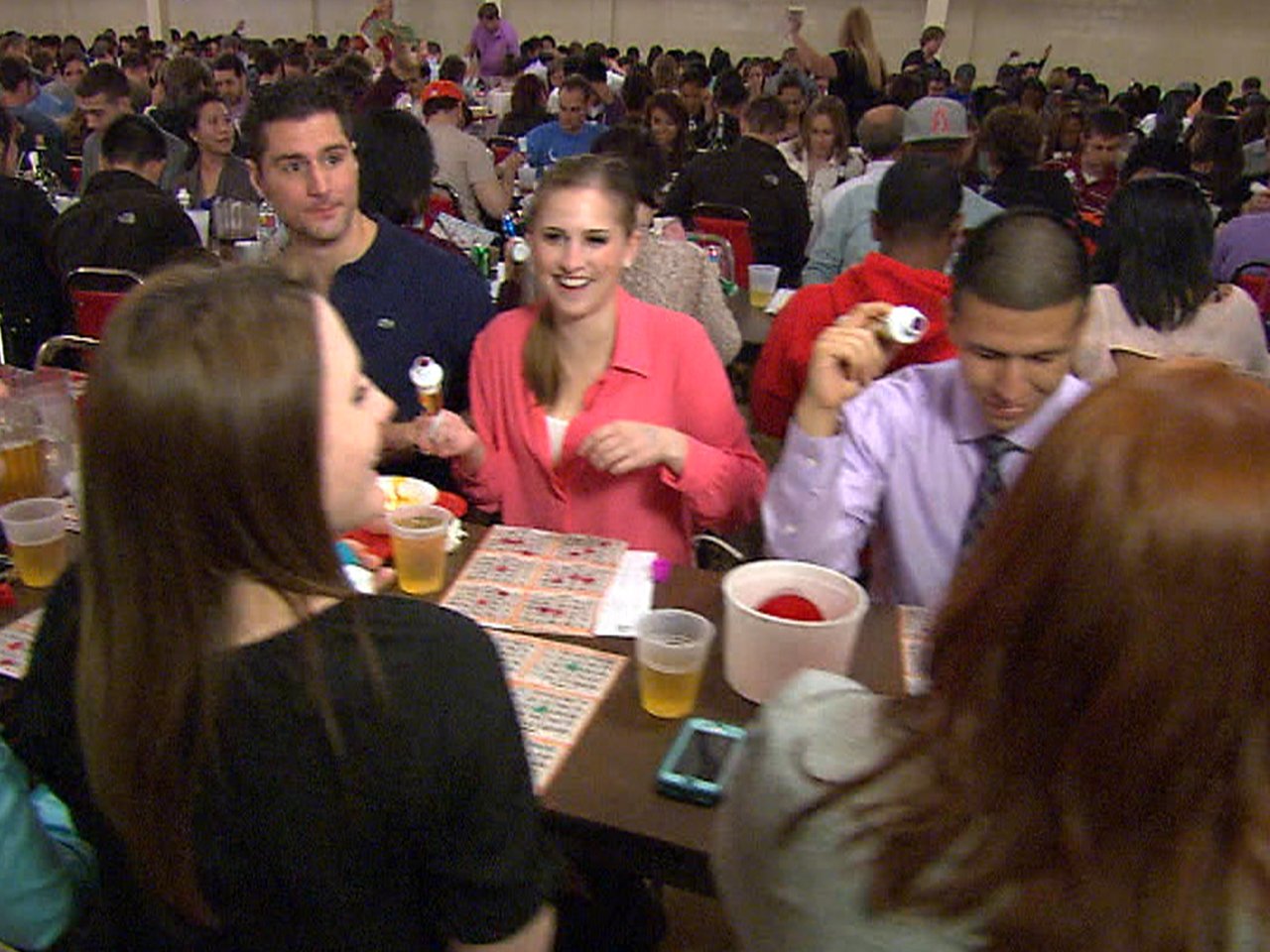
Large halls could accommodate hundreds of participants, enhancing the game’s social appeal.
-
The accessible nature of bingo attracted players from diverse age groups and backgrounds.
Bingo’s reputation as wholesome entertainment flourished alongside its capacity for philanthropy, embedding it within American social fabric.
Technological Advancements and Modern Bingo
The late 20th century welcomed significant innovation:
-
Electronic bingo machines automated number calling and card checking, speeding up gameplay and reducing errors.
-
Television bingo broadcasts introduced the game to broader audiences.
-
The internet and mobile apps expanded bingo’s reach globally, offering live games, chat features, and themed variations.
Platforms now provide rich multimedia environments, including musical bingo and interactive challenges, keeping the game fresh and engaging.
Why Bingo Endures: Universal Appeal
Several factors contribute to bingo’s timeless status:
-
Simplicity: Easy rules make it accessible to all ages and experience levels.
-
Social Interaction: Community play fosters friendships and shared excitement.
-
Inclusivity: Low cost and varied formats welcome diverse players.
-
Charitable Impact: Ongoing use in fundraising imbues the game with social purpose.
-
Thrill of Chance: The suspenseful drawing of numbers and anticipation of winning spark enduring enthusiasm.
Tips for Enjoying Bingo
-
Start with understanding the variations—75-ball or 90-ball formats.
-
Play for fun, not as a source of income—enjoy the social aspect.
-
Utilize online and mobile platforms to practice and explore new formats.
-
Stay aware of budgets and time limits for responsible play.
Conclusion: Bingo’s Legacy and Future
From Italian lotteries to its global digital renaissance, bingo remains a game rich in heritage and heart. It combines pure chance with vibrant social dynamics, allowing players to dream, connect, and celebrate together. As bingo evolves with technology and culture, its timeless essence endures—an invitation to partake in a joyous, shared human tradition where hope and chance meet in joyful chorus: “Bingo!”