For as long as lotteries have existed, players have traded tips, rituals, and systems they believe improve their odds. While no strategy can guarantee a win—lotteries are games of chance—many players swear by certain approaches that make them feel more confident, disciplined, and in control. Below, we break down the most popular lottery strategies, separating myth from mindset and mathematics.
Understanding the Reality of Lottery Odds
Before diving into strategies, it’s essential to understand one thing: lottery outcomes are random. Every number combination has the same probability of being drawn as any other. That said, strategies don’t always aim to beat probability—they often focus on managing money, avoiding common mistakes, and maximizing potential payouts.
Playing Consistently With the Same Numbers
One of the most common strategies is sticking with the same set of numbers over time.
Why players believe in it:
-
Emotional consistency: players fear changing numbers right before “their” numbers hit.
-
Long-term commitment builds confidence and routine.
While consistency doesn’t change odds, it does prevent regret, which is a powerful motivator for many regular players.
Avoiding Popular Number Patterns
Many seasoned players deliberately avoid obvious number combinations.
Commonly avoided patterns include:
-
Straight lines on the ticket
-
Birthday-based numbers (1–31 only)
-
Sequential numbers (e.g., 1–2–3–4–5–6)
The logic here isn’t about winning more often, but winning bigger. If you share a winning combination with fewer people, your payout increases.
Joining Lottery Pools
Lottery pools—also called syndicates—are a favorite strategy among office workers and friend groups.
Benefits of pooling:
-
Access to more tickets for the same individual cost
-
Broader number coverage
-
Reduced financial risk per person
The trade-off is clear: smaller individual payouts, but significantly better chances of holding a winning ticket.
Choosing Games With Better Odds
Not all lotteries are created equal. Some games offer far better odds than headline-grabbing mega jackpots.
Players often prefer:
-
Smaller national lotteries
-
Regional or state-level games
-
Scratch cards with published odds
This strategy focuses on frequency of wins rather than size, which appeals to players who enjoy regular, smaller successes.
Budgeting and Discipline as a Strategy
Experienced players often say the most important “strategy” has nothing to do with numbers.
Disciplined players tend to:
-
Set a strict monthly or weekly budget
-
Treat lottery spending as entertainment, not investment
-
Avoid chasing losses
This approach doesn’t increase odds—but it keeps the game enjoyable and sustainable, which matters more than many realize.
Using Statistical Tracking (With Caution)
Some players analyze historical draw data to identify “hot” or “cold” numbers.
What this really offers:
-
A structured way to pick numbers
-
A sense of logic and control
What it doesn’t offer:
-
Any proven predictive advantage
Still, for analytical minds, this method adds engagement without increasing risk—as long as expectations stay realistic.
Quick Comparison of Common Lottery Strategies
-
Same numbers every draw → Emotional consistency, no statistical edge
-
Avoiding common patterns → Better chance of not splitting jackpots
-
Lottery pools → Higher odds, shared winnings
-
Smaller games → Better odds, smaller prizes
-
Budget discipline → Long-term sustainability
-
Statistical analysis → Engagement, not prediction
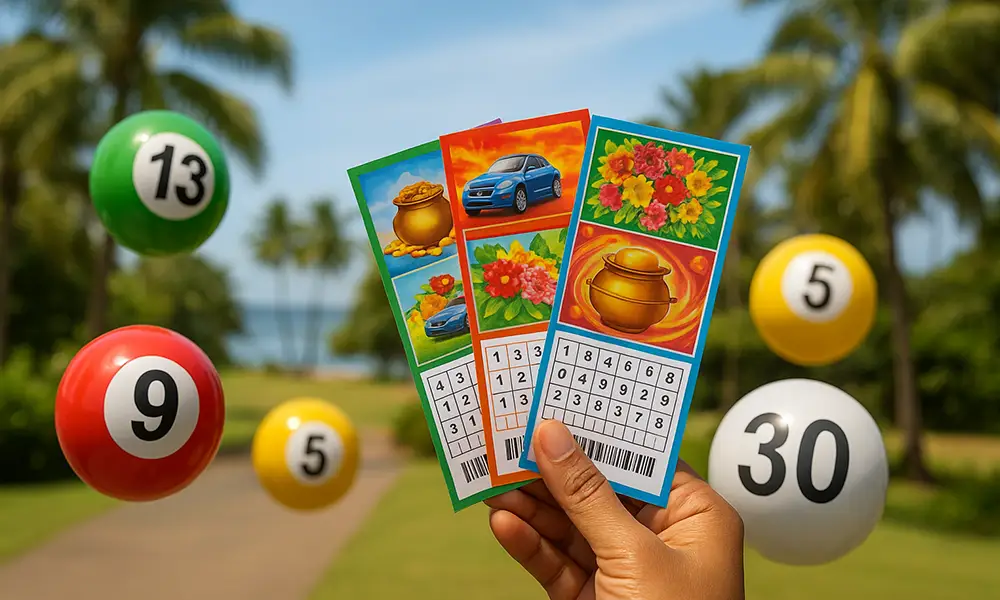
Visual Inspiration: How Players Approach Lottery Tickets
The Psychological Side of Lottery Strategies
Many strategies persist not because they beat math, but because they shape behavior. Feeling prepared, disciplined, or “strategic” can:
-
Reduce impulsive spending
-
Increase enjoyment
-
Help players walk away when needed
In that sense, the best lottery strategy may be the one that keeps expectations realistic and emotions balanced.
Final Thoughts
Lottery strategies won’t change probability, but they do influence how players experience the game. Whether it’s consistency, pooling, or smart budgeting, the most successful players tend to focus less on chasing jackpots and more on playing responsibly and intentionally.
Frequently Asked Questions (FAQ)
1. Can any lottery strategy actually increase my chances of winning?
No strategy can change the mathematical odds, but some approaches can improve how often you play or how winnings are distributed.
2. Is it better to pick random numbers or personal ones?
Both have identical odds. The difference lies in whether you risk sharing a jackpot with others.
3. Do “hot” and “cold” numbers really matter?
Statistically, no. Each draw is independent, regardless of past results.
4. Are lottery pools worth joining?
They can be, especially if you want more ticket coverage without higher individual costs.
5. Which lotteries offer the best odds?
Smaller, regional games typically have better odds than massive international jackpots.
6. How much should I realistically spend on lottery tickets?
Only what you can comfortably afford to lose. Treat it as entertainment, not income.
7. Why do people keep using strategies if lotteries are random?
Because strategies help manage money, emotions, and expectations—even when outcomes are unpredictable.