Bingo is more than just a game; it’s a vibrant cultural phenomenon that has spanned centuries and continents, uniting people across generations with its mix of luck, anticipation, and sociability. From its origins in 16th-century Italy to modern online platforms enjoyed worldwide, bingo has evolved profoundly, reflecting changes in society, technology, and entertainment. This article explores the rich history, dynamic evolution, and enduring charm of bingo—revealing why it remains a timeless source of joy and community connection.
The Humble Origins: From Italian Lotteries to French Parlors
Bingo’s roots trace back nearly five centuries to Italy’s “Lo Giuoco del Lotto d’Italia,” a lottery game played since roughly 1530. This early version was quite simple: players matched numbers drawn randomly with numbers on their cards. Although rudimentary compared to today’s bingo, it established the core mechanic of chance and marking matches.
By the 1700s, bingo spread to France, where it became known as Le Lotto, popularized in aristocratic salons and among the broader public. French innovations introduced the grid format resembling modern bingo cards, typically arranged with numbered squares along rows and columns. The drawing of numbers often involved wooden tokens pulled from a bag or drum, dazzling participants with anticipation.
Bingo’s Role in Education and Society
During the 19th century, bingo-like games functioned not just as entertainment but also as educational tools. German educators employed these games to teach numbering, spelling, and arithmetic, recognizing their engaging potential for learning.
Simultaneously, bingo grew as a social activity across European communities, creating bonds and reinforcing social cohesion. Its affordability, simplicity, and inclusivity made it a favorite pastime in small gatherings, fairs, and charity events.
The American Transformation: The Birth of Modern Bingo
Bingo’s current form materialized in the early 20th century United States. Initially called Beano, it gained traction at carnivals and fairs, notably in Pennsylvania and Georgia.
A turning point occurred in 1929, when toy salesman Edwin S. Lowe observed Beano being played and noticed excitement when a player mistakenly shouted “Bingo!”—a name that stuck and redefined the game. Lowe went on to standardize bingo cards, securing a patent in 1942 and popularizing bingo nationwide.
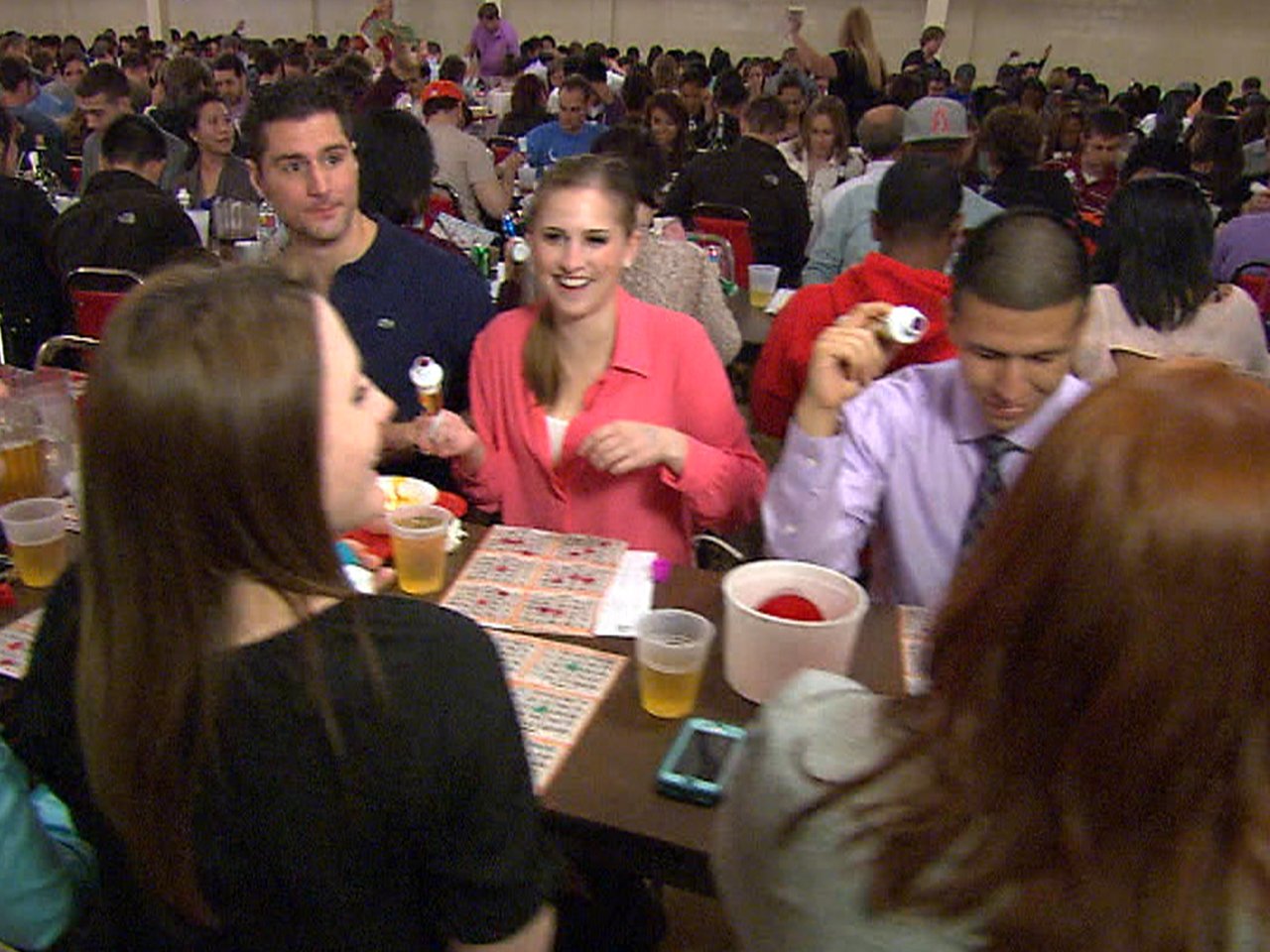
Bingo halls blossomed, providing communal entertainment and effective fundraising avenues for churches, schools, and charitable organizations.
Game Mechanics: Simple Yet Invigorating
Bingo’s gameplay is straightforward:
-
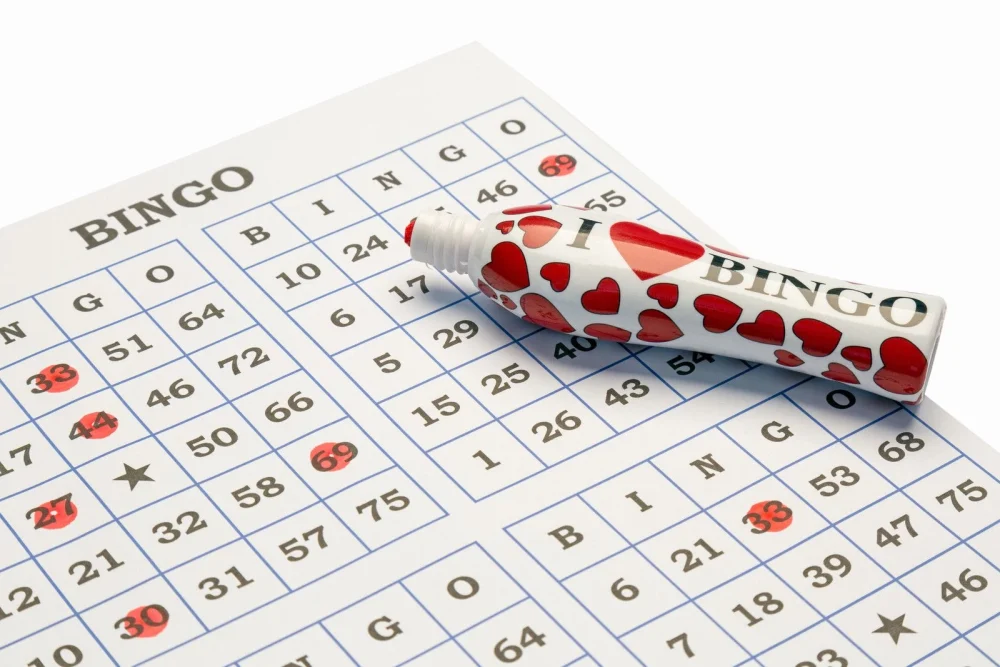
Players receive cards with numbers arranged in a grid, commonly the 5×5 layout for 75-ball bingo or a 3×9 layout for 90-ball bingo.
-
A caller randomly draws and announces numbers.
-
Players mark called numbers on their cards.
-
The aim is to complete specific patterns, such as full horizontal, vertical, diagonal lines, or a full house (covering all numbers).
-
The first player to complete the pattern shouts “Bingo!” and wins after verification.
This melding of luck, pacing, and communal excitement drives the game’s appeal.
Digital Leap: Online Bingo and New Innovations
The dawn of the internet ushered bingo into the digital age:
-
Online bingo platforms replicate traditional gameplay but add multimedia elements and features like chat rooms, themed cards, and instant matchmaking.
-
Mobile bingo apps provide convenient, on-the-go access, attracting new, younger audiences.
-
Innovative variants, such as musical bingo, combine live entertainment and gameplay, refreshing the classic format.
These developments ensure bingo remains vibrant and relevant in a changing leisure landscape.
Why Bingo Endures: The Heart of Its Appeal
-
Universal Accessibility: Easy to learn and play, welcoming all ages and backgrounds.
-
Community and Sociality: The shared anticipation and celebration foster a sense of belonging.
-
Charitable Impact: Bingos continue to support community causes, connecting fun with purpose.
-
Variety of Formats: Multiple regional variations and evolving styles keep the experience fresh.
-
Excitement of Chance: The suspenseful drawings and the thrill of winning remain captivating.
Playing Responsibly: Enjoyment with Awareness
-
Approach bingo as leisure and entertainment, not profit-making.
-
Set clear limits on time and money.
-
Use available tools for self-exclusion and betting management where applicable.
-
Maintain a balanced perspective amid the highs and lows of play.
Conclusion: Bingo’s Enduring Joy and Cultural Legacy
Bingo’s journey from 16th-century lotteries to contemporary digital platforms exemplifies a game that transcends time through its simple mechanics and profound social resonance. Its continued popularity rests on communal spirit, inclusivity, and the timeless allure of chance.
Whether in a bustling hall with friends or from a mobile device miles away, bingo invites players into a world where luck, laughter, and community converge—a game that is as much about connection as it is about winning. Through each called number and celebrated “Bingo!”, this beloved game affirms its place as a cherished tradition endowed with endless joy and anticipation.