
The Lottery: A Deep Dive into the Mechanics, History, and Enduring Fascination of Chance

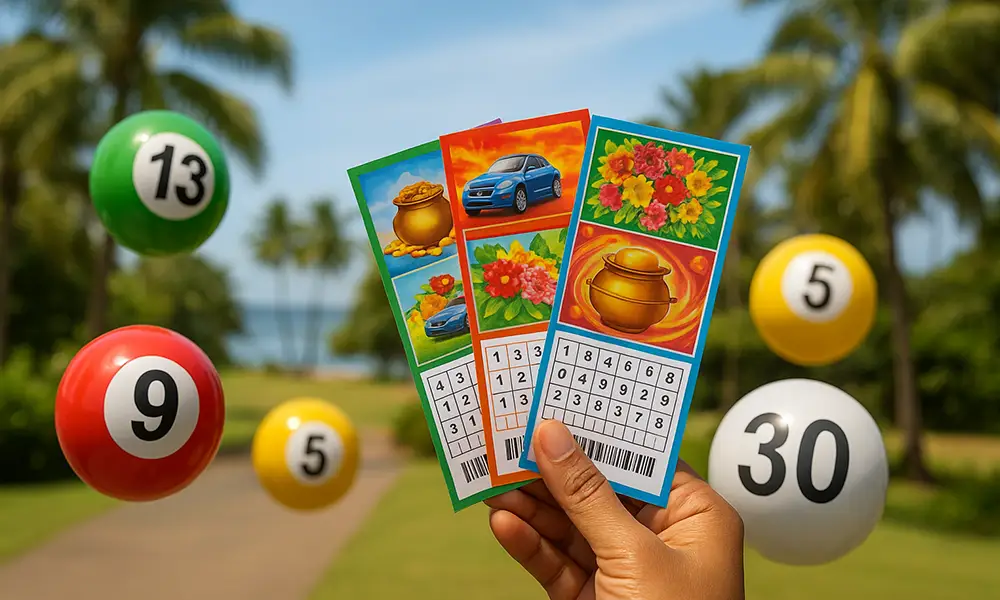
Lotteries have long captured the imaginations of people around the globe, offering an enchanting blend of hope, anticipation, and possibility. Far beyond mere games of luck, lotteries embody intricate systems designed to balance randomness, fairness, and thrilling opportunity. In this article, we explore the fascinating mechanics behind lottery systems, trace their rich historical evolution, and uncover the reasons why lotteries continue to enthrall millions today.
Understanding the Mechanics of the Lottery System
The fundamental principle of a lottery is straightforward: players purchase tickets with numbers, hoping those numbers match the ones drawn at random. However, beneath this simple premise lies a sophisticated structure that ensures fairness and trust.
Random Number Generation: The Heart of Fair Draws
Modern lotteries rely predominantly on two key methods to produce winning numbers:
-
Mechanical Draws: Classic lottery draws use physical machines that randomly mix and select numbered balls. These machines are designed for transparency, often drawing live before eager audiences to allay doubts of manipulation.
-
Random Number Generators (RNG): With the advent of digital technology, lotteries increasingly utilize algorithm-based RNGs, which produce sequences of numbers that are statistically random. These algorithms, fortified with cryptographic controls, ensure unpredictability and fairness.
Each method is extensively tested and monitored by independent auditors to maintain the integrity of the game.
Calculating Your Odds: The Mathematics of Winning
Lottery odds are grounded in combinatorial mathematics, determining the likelihood of matching drawn numbers. For instance, a typical “6/49” lottery asks you to pick six numbers from 49, with the winning prize awarded for matching all six.
The probability of winning the jackpot in such a lottery is calculated using the formula for combinations:
(496)=49!6!(49−6)!=13,983,816{49 \choose 6} = \frac{49!}{6!(49-6)!} = 13,983,816
This means you have roughly one chance in nearly fourteen million to hit the jackpot.
Lower-tier prizes exist for matching fewer numbers, balancing the overall ticket distribution and player engagement with varying stakes of success.
A Glimpse Back: The History and Evolution of Lotteries
Lotteries have deep historical roots:
-
Ancient China: Archaeological evidence points to keno-like games used during the Han Dynasty (200 BC) to fund public projects like the Great Wall.
-
Roman Empire: Lotteries were used to finance public works and entertain elite banquets, with tickets awarded as prizes instead of cash.
-
Medieval Europe: Early public lotteries raised funds for town fortifications, infrastructure, and charity, evolving into more formalized and government-sanctioned operations.
The modern lottery system began crystallizing in the 15th century, with the lottery of Bruges (1466) considered a milestone blending public funding and entertainment.
Modern Lottery Formats: Beyond Just Numbers
The lottery’s evolution includes a variety of formats:
-
Draw Lotteries: Traditional games where numbers are drawn at regular intervals.
-
Instant Lotteries: Scratch cards and similar games offering immediate results.
-
Multi-State Lotteries: Extensive networks such as Powerball and Mega Millions combine ticket sales across regions for huge jackpots.
-
Online Lotteries: Digital platforms providing accessible, interactive play with real-time draws and diverse games.
This diversity keeps lotteries relevant and accessible to the broadest audiences.
Why Does the Lottery Maintain Universal Appeal?
-
Accessibility: Low-cost tickets welcome players from every demographic.
-
Dream and Hope: The thrilling possibility of life-changing wins captivates human imagination.
-
Community and Shared Excitement: Group play and anticipation of draws foster social connection.
-
Contribution to Society: Many lotteries support education, health care, or social programs, giving play a sense of purpose.
Responsible Play: Balancing Fun with Prudence
While lottery play offers excitement, it demands responsible engagement:
-
View participation as entertainment, not a reliable investment strategy.
-
Establish personal spending limits aligned with your budget.
-
Recognize the inherent low probability of winning large prizes.
-
Play through licensed and regulated providers to protect your interests.
Conclusion: The Lottery as a Timeless Intersection of Chance and Hope
The lottery’s narrative is both ancient and modern, a game of pure chance embedded in cultural traditions and contemporary society. Its sophisticated technological and mathematical foundation ensures fairness, while its human appeal remains anchored in hope, possibility, and communal joy.
Every ticket represents a dream — a tiny spark of potential that millions of individuals nurture together across the globe. In this convergence of randomness and anticipation, the lottery continues its timeless dance with chance, inviting us all to imagine a different tomorrow.


